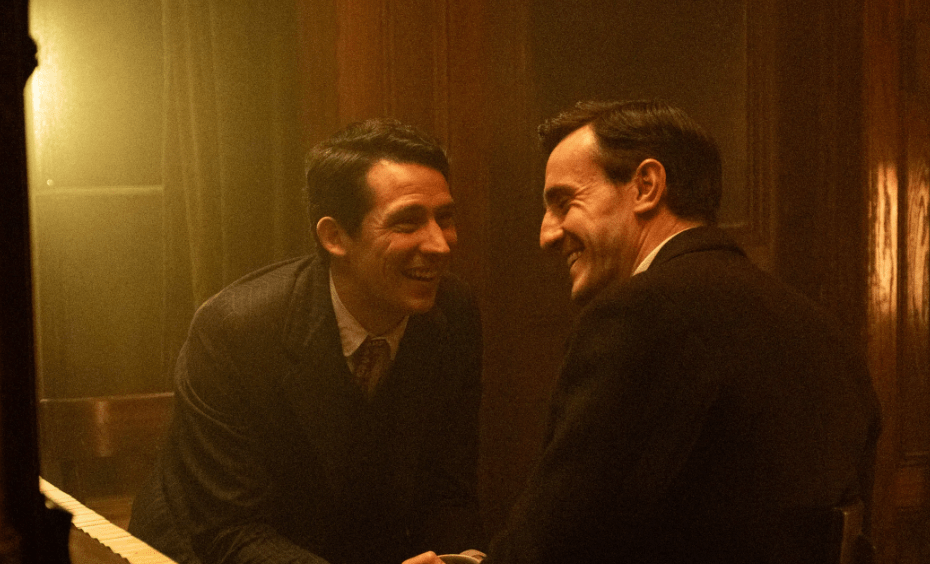
•  It seems like it would be impossible to make a film about a romance between musicians that would be utterly devoid of passion, but The History of Sound proves it can be done. For a film that wants you to believe that Lionel’s (Paul Mescal) relationship with David (Josh O’Connor) was the defining point of his life, it goes out of its way to not craft a sense of intimacy. 

      One could say that the relationship between Lionel and David is the film’s core, however, the two characters do not spend a meaningful amount of time together in the film to truly warrant that claim. At the beginning of the film we see Lionel meet David by singing with him at a bar, then move to a handful of dull conversations and images of an implied sexual encounter between the two. By the time these unconnected snapshots have ended, the pair is immediately broken up as David is drafted into WWI. The time between their meeting and separation is under fifteen minutes, and leaves no sense that Lionel has any deep feelings for David. ​​There is little connection or character growth across scenes. which flattens vibrant moments into mere vignettes, sapping the story of cumulative effect.

     The parts of the film where David and Lionel are not together are somehow even more dull than their short passionless encounters. While there is some beautiful imagery of the unforgiving Appalachian wilderness after Lionel moves back home upon finishing school, the film gives no reason us to understand why we are seeing these images or why we should care about their contents. It then falls into a stand-still, as Lionel aimlessly moves about his farm life, interacting with family and friends who are not given enough depth or dialogue to be considered relevant to the audience. 

     The film picks back up when David returns from war and invites Lionel to join him on a research trip collecting folk songs in rural communities. This is by far the best segment of the film. For a solid twenty minutes, the film is able to blend well-shot visuals of nature, a compelling score of American folk music. It also gets its closest to creating a romantic mood in this part of the film through direct visual allusions to other queer films. Lionel and David lying in the grass, whispering by the fire, and sleeping in a tent together, create images that are obvious replications of scenes from Maurice (1987), My Own Private Idaho (1991), and Brokeback Mountain (2005). These references fall flat as the film seems to misunderstand why the films it is referencing are so effective. All those films have been lauded for creating intimate, relatable relationships that offer both queer and straight viewers emotional access to their love and struggle. By contrast, there is still a striking lack of chemistry between David and Lionel. Their conversations are as empty and their sex scenes are sterile. The film’s choice to keep intimacy off-camera fails in letting the characters communicate genuine desire, belonging, or romantic development . So, when the two are separated again at the end of this chapter, it feels like nothing has really changed in the narrative.

     When the film is focusing solely on Lionel, it is almost painfully impersonal. He drifts between incredibly scenic European locations and reaches heights of successes in his career as a conductor, but to no real end. Similar to the rest of the film, the lack of drive keeps the picturesque technical work from feeling meaningful. It may delight the eye but leave hearts untouched. Lionel’s actions also do not construct a nuanced or endearing character to which the audience can relate. Over the course of the film, the lack of personality becomes increasingly frustrating, especially since the its structure as a character study. The film does not move or proke, making it ultimately forgettable despite its polish. 

     In its final third, the film attempts to foreground the its thematic elements. This is a film which is ostensibly about many things: being a queer in a homophobic society, trauma. grief, and the power of music. It certainly has the set up of a story that could be emotionally impactful, but it never synthesizes these elements into a coherent thematic throughline. The end result of this lack of real substance is a movie that constantly leaves you asking  “So what?”, and never provides an answer, missing the chance to contribute to ongoing conversations about art’s ability to address loss, love and identity . 

     Mescal and O’Connor both give pretty decent performances, despite the stiff script they were given to work with. Even still, there is a distance created between the two in almost every scene of the small runtime they share together. It often feels like the script is asking them to talk at each other and not with each other, a massive detriment to a story that is supposed to be about their deep connection. 

     The History of Sound is a film which relies on viewers caring about the film’s characters and their relationship, however it is so stony that you might walk away wondering if the characters ever really loved each other? If you are looking for a film that explores queer identity, and hidden romance, your time is probably better spent on elsewhere.
  •  Jason Anderson is a film programmer and critic from Toronto, Ontario. He programs for TIFF, Aspen Shortsfest, and the Kingston Canadian Film Festival, and has written for outlets like Sight and Sound. He is also a sessional lecturer at the University of Toronto where he teaches critical writing on film. In this interview, I wanted to ask him a bit about his process as a programmer.

    VW: How would you describe yourself and your work?

    JA: Though I still feel very connected to my longtime practice as a journalist specializing in film, music and the arts, I would say that the majority of my work now is as a programmer for a variety of film festivals. That began with a relationship with the Kingston Canadian Film Festival in the late 2000s and now includes positions with the Toronto International Film Festival and Aspen Shortsfest. For all these festivals, I strive to curate the work that I believe best serves their respective audiences. I hope to find and present work that these viewers will find exciting, compelling and enlightening. I also want to do all I can to shine a light on film and filmmakers that I think are very much worthy of the attention and support.

    VW: When choosing what to program, are there any specific qualities you look for in a film?

    JA: That depends so much on what the film itself seems to be aiming for, and what kind of aims and audiences that seem to be most relevant. If there are any fundamentals regardless of the genre or nature of the individual work, I’d say that the films that really pop are ones that feel very specific and personal in terms of what they express and how they express it. If they achieve that, they typically have a clarity and force (even if it’s a quiet one) that are lacking in work that feels more vague or muddled or imprecise. I’m also really hoping to see people on screen who feel very compelling and unique, whether they’re actors or documentary subjects. What I want is for whoever’s on camera to seem fully alive in the moment, whatever they’re trying to be or do.

    VW: When you are programming films from abroad, is it difficult to choose what films are important or culturally significant to a country you are not currently living in?

    JA: It can be for sure. I am grateful whenever I can share work with colleagues and find out more how they may see something, especially if it’s from a culture or perspective or voice that may be far outside my experience. I try to stay very open and empathetic and curious because I know that there’s always going to be a huge amount of nuance I’m inevitably going to miss being limited to one lens and one brain. 


    VW: How do you balance programming films that you personally enjoy with films that you don’t like but think will have a wide appeal with audiences?

    I thankfully have pretty wide tastes and feel like a lot of the prejudices and presumptions I used to have eroded away over time after seeing so much for so long. Certainly there are films that I think may be imperfect or very conventional in many regards but that I know will satisfy particular audiences (and wide audiences). But even with those, I feel like I have some kind of appreciation and understanding for what their creators have done. I’m glad that I haven’t had to present work that I really believe has no redeeming qualities or any reason to be (or at least only done that very rarely!). 

    VW: Out of the films you’ve programmed over the years, do you have any favourites?

    JA: Too many to name! There are certainly a few shorts I was really, really happy to get to play at TIFF by emergent directors who then went on to make incredible first features, like Astel, a really beautiful one by the Senegalese-French director Ramata Toulaye-Sy who later landed a first feature in the Cannes competition, or Blue Christmas, the last short by Charlotte Wells before she did Aftersun. I’ve come to really enjoy playing movies that I found very moving, like Julian by Cato Kusters this year. It was especially gratifying reading all the comments and reviews from people who admitted to crying over that one, given that I sobbed through it too!

    VW: Do you have any recommendations for hidden-gem Canadian films? 

    JA: I second Adam Nayman’s efforts to bring more attention to Seven Figures by David Christensen, which is a very remarkable anomaly in Canadian cinema and undoubtedly the closest thing we’ll ever get to a Michael Haneke movie from Calgary. I’m also a big fan of The Top of His Head, the one narrative feature by Peter Mettler, who’s otherwise spent his career making mystic-minded documentaries. I’ll never forget seeing one of the first screenings of Panos Cosmatos’ indescribably weird first feature Beyond The Black Rainbow and getting my mind blown. Among my desert-island shorts are everything by Marie-Eve Juste and Ariane-Louis Seize. 

    VW: When you’re creating a Canadian program, do you make an effort to look for films made outside of the country’s major film hubs (Ontario, British Columbia, Quebec)?

    JA: For TIFF and the Kingston Canadian festival, we’re most definitely trying to get the widest possible view of filmmaking in Canada. The abundance of fantastic work by indigenous directors means the chance to discard outmoded views of this country in many, many regards. I think there’s been such a push to support work from beyond the big cities that it’s not hard to find exciting stories from all three coasts and from most of the spaces in between them.

    VW: What advice would you give to film students who want to enter the festival or criticism industry when they graduate? 

    JA: When it comes to festival work, there are so many amazing events across the country that students could become part of in a huge variety of capacities. I think the more micro and community-oriented ones are a great place to start, especially since TIFF can be such a behemoth. Plus it only happens once a year, as opposed to the many monthly or seasonal series that can form a more regular connection between people. I’d say that criticism has been harder to professionalize but I’m thrilled to see younger writers (like the ones congregating at the Crit Salon series) push to get their work out there and to start new conversations.  

    VW: Where can we find your work? 

    JA: Weirdly enough, it’s very much in print! My work regularly appears on newsstands (the few that still remain!) in places like Uncut magazine and Broadview and sometimes Sight & Sound. I feel like I wrote a third of the last TIFF program book, too.

  • 10/10 

     I tried my best to ignore everyone on film twitter praising this movie so I could go in with a clean slate and not be disappointed in case it was mediocre, and boy was I wrong. This movie is a gem and I certainly am not the first or last person to believe that, but even for PT Anderson  (an already great filmmaker) this movie is a class act.

     I won’t get too much into the plot of the film, it’s best if you see it mostly blind. However, I will say this film has a sense of deep modernism that truly floored me. As someone who deeply enjoys most of Anderson’s oeuvre, my one gripe with his work to this point is that he is very much a period-piece fetishist. One Battle, surprisingly, feels so fresh and deeply rooted in the current era. Between this film and Eddington, I think we might finally be moving on from the previous aversion to discussions of society in the 2020s in films.

     The visuals in One Battle are truly unparalleled. Last year when everyone was praising the use of VistaVision in The Brutalist, I always wondered what would happen if the format was used by a more mature and coherent film. The answer is that the framing is genuinely beautiful, despite the deep sense of terror envoked by most of the film. I don’t have to tell you that Anderson is good at setting up a shot, but there are some scenes in this film that feel fantastic even for such a seasoned pro. 

      Speaking of Anderson’s work, this movie feels like a triumphant return from Licorice Pizza, a movie that, while beautiful, is incredibly muddled by the perils of period genre, a bizarre narrative, and half-jokes which never really land. All of these things are remedied in One Battle, almost to a point of feeling like it was made by a completely different filmmaker.

     The film’s script writing is also very smart and salient. There were times the film had me in stitches from laughter and biting my nails from anticipation in the same scene. Each of the characters felt uniquely voiced and internally deep (even if they don’t have a lot of screen time). The script is tied together with a jangly-well score and some great needle drops that work so well to keep up the film’s tone and pacing.

     Without spoiling any of the film’s plots, I’ll just say that there is a lot thematically great things happening in this film. I’ve already mentioned its striking political modernity but the film’s other social commentary is also incredibly interesting. In particular, I though the way the film describes the right wherein there is a “surface level” of evil that is outright and visible and a secretive layer of the right which things that violent extremists don’t go far enough to be very interesting in the current cultural climate.

     It’s hard to pick a stand out performance from this film. Even the side characters who didn’t have a large amount of screen time were played so well as to be memorable in a nearly three hour film. I truly cannot believe that this is one of Chase Infiniti’s first films, she is able to hold her weight among a very strong and seasoned cast. 

     When a film has such a positive reception from critics, it’s sometimes hard to believe it can live up to the hype. Trust me I am very much a skeptic of a film’s Letterboxd score until at least a month after a film has been out but, believe me when I say this is worth the price of a movie ticket. If you can, see this on the big screen. You won’t regret it. 

  •  This review contains spoilers.

    7.5/10

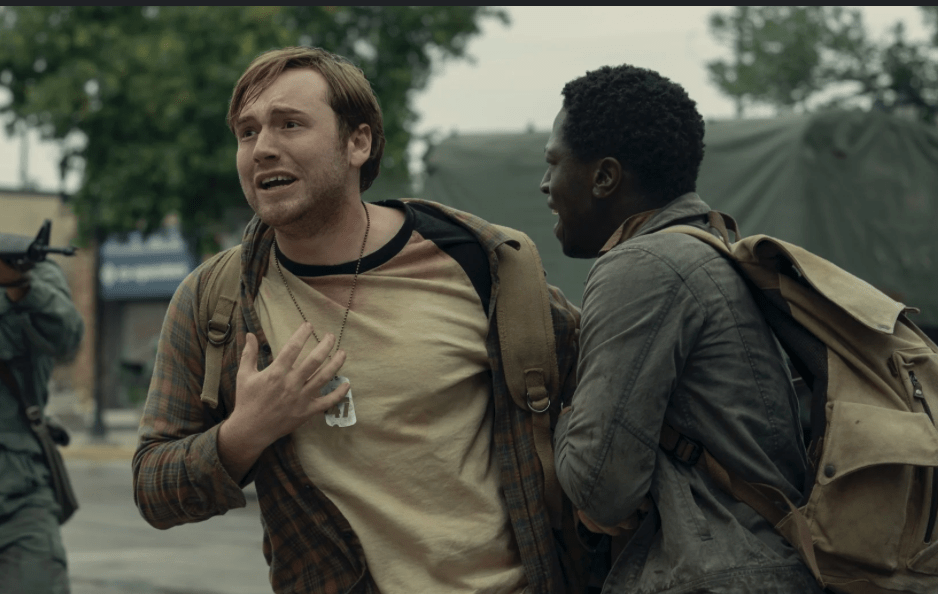
    “There’s one winner, and no finish line.” barks The General before marking the start of the Long Walk. By the end of the film, all the the young boys we have met in the opening scenes will be dead, save for the victor. 

     In a dystopian post-war version of America, The Long Walk, an annual contest wherein one participant from each state marches 3 miles an hour for as long as it takes for all except one to die.  

     In terms of sensibility and genre, the obvious comparison for The Long Walk is the teen dystopia films of the 2010s. The film’s desaturated colouring and acerbic tone clearly pulls from the director’s experience of working on the most recent Hunger Games films, but there is also a 

    clear influence from similar series like The Maze Runner and Divergent.

     The film’s locations carry the Midwestern gothic aesthetic that is prevalent in many other recent adaptations of Stephen King’s work like Doctor Sleep and IT. However, while the film is brutally graphic, it’s tone and pacing is not firmly in the horror genre like most of King’s work. The film happens mostly during the day, the night scenes are well it, and there are no “jumpscares”.

     What is most visually striking about The Long Walk’s style is the sense of movement in every frame. The characters never stop moving and neither does the camera, with ceratin scenes having breakneck switches between shot angle and others focusing on longer point-of-view tracking shots. This style creates a sense of immersion, you feel like you are experiencing the Walk in real time. 

      The original novel was written in the context of the Vietnam draft, however the film’s allegory for how the military industrial complex preys on poor kids remains salient in a post-Iraq War era. As Garraty says, the Walk might be “optional”, but is it really optional if those signing up have no other choice? The film’s overall allegory for the perils of war is mixed through with accompanying themes of the violence (both physical and epistemic) that is carried out under  authoritarian nationalism.

     There is also a thematic undercurrent in the film of the way violence both creates camaraderie and sows hatred among people.. Though they are unified in a shared struggle, the boys know that only one of them can win at the expense of the other’s lives, causing them to fight and bicker with each other. The Walk turns even the most good-hearted violent and bitter. 

    While these themes explored by The Long Walk are standard for the teen dystopian genre, the film seems to be re-examining them under the current political climate of on-going conflicts and the rise of the far-right across the globe.

     The Long Walk had an uphill battle in creating an engaging film from a story where characters do one single task and where most of the character’s fates are sealed in the opening scene. The film is mostly successful in this goal, using visual style and pacing to keep things moving.

     The frequent use of point-of-view shots in the film that works incredibly well in creating  novelty and immersion. The film is at its worst when it abruptly abandons the spacial and temporal linearity established in the first two thirds of the plot, in order to do a flashback scene which could have been just as poignant if it was delivered as a line of dialogue. While “show don’t tell” may be a “rule”, doing it at the expense of immersion and consistency is a massive flaw of this film. . 

     The changes the film makes to the original ending of King’s novel are also quite good as they ad an element of surprise and a new message to the film’s third act. Though the messaging of the film is heavy handed at times, it isn’t to the detriment of the film as a whole. 

     The film’s comedy is also incredibly well spread out, helping to pace out what would otherwise be a boring and predictable story. It makes you care about these boys before it takes them from you. This is in no doubt due to the incredible performances from Johnsson and Hoffman (as a fan of HBO’s Industry I’ve felt that Johsson was just waiting for his stardom, and I guess its finally his time). 

     Hamil’s performance is a bit hacky to me, I’m honestly glad he wasn’t in the movie as much as he could’ve been. I think the film understood where its good performances were and luckily stuck with them.

    While I think the praises of this film is somewhat inflated, it’s a good movie! Especially among the teen dystopia genre which has been dead for a few years at this point.

  • 9.5/10

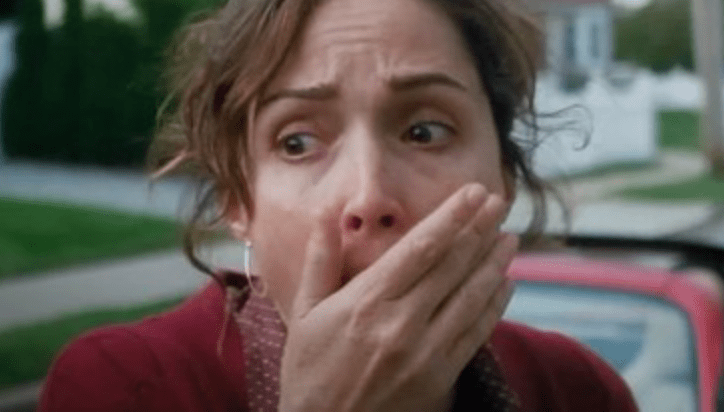
    When I went into this film, I wasn’t expecting to see one of the darkest fiction films I have seen in a while. If I had Legs, tells the story of a mother whose life is both literally and figuratively falling apart as she struggles her job as a psychologist, taking care of her daughter with medical needs, and navigating a ceiling collapse in her house with virtually no support. This film stands out to me as an incredibly complex character study, which doesn’t excuse the actions of the main character but also invites you as a viewer to investigate when and why you cease to understand her actions. 

     Almost the entire film is shot through incredibly tight close-ups. It’s uncomfortable, claustrophobic, especially when paired with an incredibly jarring score. This film is a nearly two hour long panic attack as Bronstein constricts space, overlaps dialogue, and shows you every worry and fear on the main character’s face. The entire film you are hoping for a break, for a respite from the neverending trainwreck, but it doesn’t let up. While there are some more darkly comedic bits in the first act of the film, these don’t provide a sense of relief as they are shot in the same incredibly tight close up framing.

     There are also some incredibly cool things happening with lighting in this film. Linda’s life outside of the office is mostly darkly lit, while her office is brightly lit to the point of being sterile. I feel like this is a commentary on the deep conflict between her personal life (which is falling apart and where her own daughter struggles with an eating disorder) and her professional life where she has to be dedicated to helping other people. 

     Bronstein also makes the interesting choice not to show Linda’s child for most of the film, instead showing close ups of her hands or feet while her dialogue is ADR’ed over the scene. This fits into the film’s larger commentary on motherhood, as the focus is turned completely from the child to the mother. What makes this film such an interesting character study is the way in which it shows you the escalation of events that would lead a mother to the extremes. It asks us to consider when we consider Linda, or the other mother in the film Caroline, to have crossed the line from neglectful or neurotic behavior to doing something unforgivable. It also portrays this with empathy, as guilt and blame are constantly discussed amid an overarching plot of how mothers are abandoned in society. Linda constantly begs for someone to help her, to tell her what to do, but nobody does. 

     There are some moments in this film that are incredibly gruesome. While I wouldn’t really classify  it as a traditional horror (it’s more in line with panicked films like Uncut Gems), there were a few moments where I couldn’t look at the screen anymore. The film uses these sparingly though, and as an audience you almost anticipate these events as they are foreshadowed quite before they occur.

     Rose Bryne’s performance in this film is genuinely incredible. There’s no real way to describe what she does, but she gives her whole self to this performance and brings a lot of nuance to the character. The side performances in this film were also well done. Conan O’Brien, while having a few comedic lines, gives a performance that goes against his persona as a funny and charming guy. You hate him most times he is on screen, as you do with most men in this film. Kid Cudi brings a lot to the film in the small amount of lines he has, his comedic timing is great and he provides a bit of a break from the incredibly emotionally intense of the rest of the film.

     If I had legs, certainly isn’t a film for everyone, however, I think it has incredible value as a story about the ways in which society’s treatment of mothers can create the grounds for neglect and abuse. It’s a harrowing story, but it’s deliberately crafted and avoids feeling like trauma-porn.

    Scoring Card

    Formal Technique: 8.5/10
    Story: 9/10
    Dialogue: 9/10
    Performances: 10/10
    Overall: 9.5/10
  • 7.5/10 

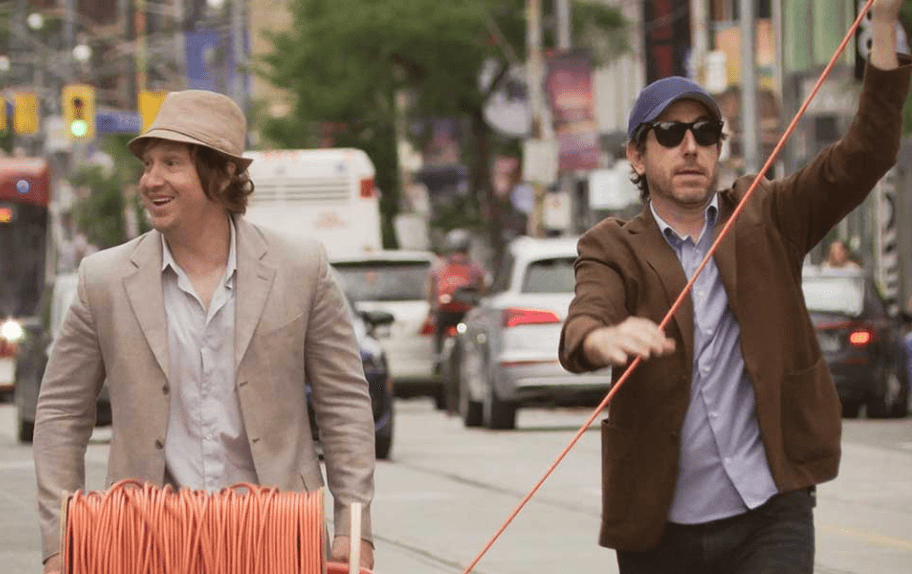
     I feel like its a sacrilege against Toronto for me to say that I wasn’t a huge fan of this film. Not that I think the film is bad (it isn’t), just to say that I think the reviews hailing Johnson and McCarroll as the Chaplins of Torontoian comedy is a bit generous. 

     To start with what I enjoyed about the film, I loved how it’s unapologetically Torontonian. Often films made in Canada try as hard has humanly possible to avoid saying or doing anything that makes the story a uniquely Canadian one, rather one that’s broadly applicable to any Canadian or American town. I also though the film use of editing during the mid-section of the film was incredibly clever and well done. This is a hard film to talk about without spoiling it, but for those who have seen it you will know there is a twenty minute chunk of the film that has an almost seamless blend of decade old footage and modern reshoots. The entire sequence rests on the edit feeling coherent and believable, and it certainly delivers on that front.

     Going into Nirvanna, my main gripe with Johnson’s films as a whole (with the exception of Blackberry) exude this millennial edgelord comedic style that becomes more and more obnoxious the older he gets and the more the world changes. The film manages to overcome this for most of its runtime, but occasionally slips back into that comedic style. Those who have seen it will know that the film comes up with an incredibly convoluted way for the two to make out-dated jokes which didn’t really land, and seem to really only exist as a subtle complaint about how the current day is too “PC”. The film’s (for lack of a better term) aging incel energy is also not helped by the fact that there are basically zero women in the film, only appearing as background characters or as street interviews.

     However, when Johnson and McCarroll do write a salient joke, damn are they good. The first 20 minutes of the film were genuinely some of the funniest of any I’ve seen in recent years. It reminded me of a lot of other comedians whose work I enjoy, Nathan Fielder in particular but there also is a Larry David-esque strain through a lot of the film’s comedy. The crowd work is great and watching it feels like exposure therapy for social anxiety.

     There are also a number of pretty solid themes that go mainly unspoken but are present throughout the film. At times it feels like a very touching commentary on aging, friendship, and how to deal with being an artist whose work never really took off in the way you envisioned. These emotional threads do keep the film grounded, even with its outrageous story line. 

     Overall, I have a lot of respect for the directors’ dedication to their work, especially with the insanely difficult filming choices they make throughout the film. I also enjoy it as a piece of unapologetically Torontoian cinema, even if the film’s tone doesn’t always work for me.

    Scoring Card:

    Formal Technique: 7.5/10
    Story: 6.5/10
    Dialogue: 9/10
    Performances: 7/10
    Overall: 7.5/10
  • 9/10 

     Of all the movies I’ve seen at TIFF thus far, Dead Man’s Wire was one the one most anticipated by its audience (I’m pretty sure every seat in the theatre was filled by the time the movie started). The film definitely lives up to some of that hype, even if it had an uphill battle joining an already incredible list of films from director Gus Van Sant. 

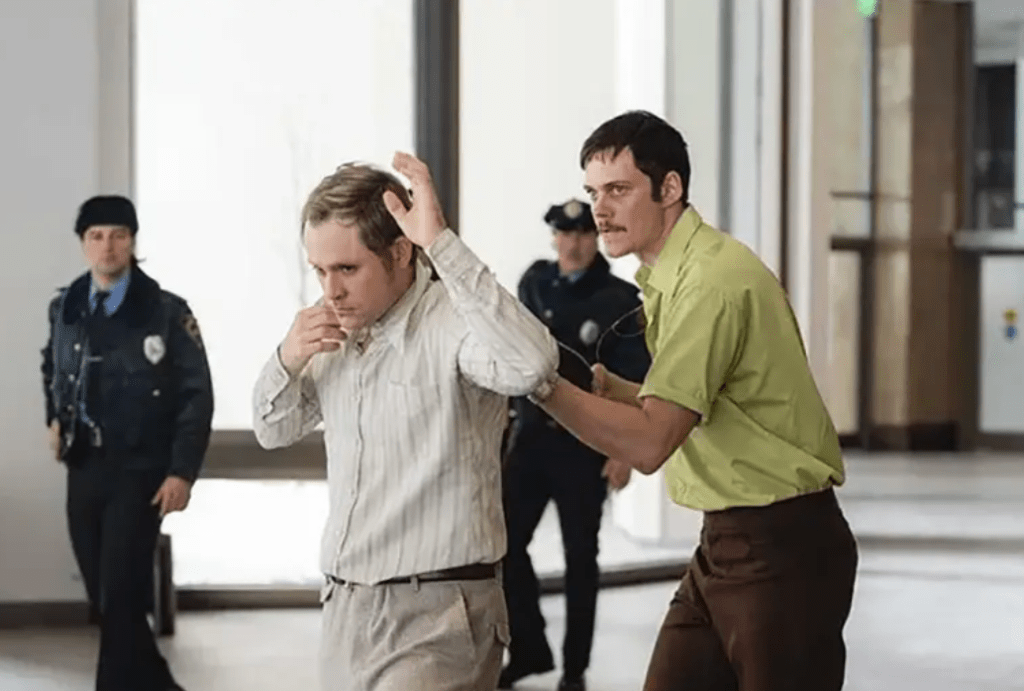
     Even though I have found the 1970s fetishism of recent films to be a bit noxious at this point, I think this film manages to go beyond simple time-period pastiche to create something that feels grounded in the films of the era. Probably due to the fact that he started his filmmaking career slightly after the New Hollywood era, Van Sant’s direction shows salient engagement with the stylistic and thematic conventions of the period. Obvious homages to Dog Day Afternoon and Taxi Driver in many elements of the film: Skarsgard’s performance as a standoffish “man of the people” criminal going up against the big banks, the exploration of how news media can exacerbate tragedy for their own gain, alienation. 

     The film also doesn’t shy away from some of the more kitchy elements of 70s film style that are no longer common place in the modern era. Its packed full of long zoom-ins, clunky freeze frames and static image impositions, and grainy news reel footage. The film is also incredibly well lit and coloured which feels like a breath of fresh air in a modern film climate that seems to have largely abandoned lighting as an important element of film style. It also is well paced and has a good sense of what time frame is needed to tell a story, unlike a lot of other films I have seen at the festival which feel like they have been stretched to be as long as possible.

     The performances in this movie were the stand out element of the film in my opinion. Bill Skarsgard once again pulls through with an incredibly unsettling but also somewhat comedic portrayal of Tony Kiritsis. Coleman Domingo is a treat in this film (as always), and Al Panchino gives a brief, odd, but memorable performance. However, the standout performance for me was from Dacre Montgomery as the kidnapee Richard Hall. I hope this role opens him up to playing in some more seriously crafted film because he works well when given a proper script.

     Overall, this film worked for me even if its not incredibly novel in its choice of genre or style. I think the pastiche elements were charming and the film seemed to understand what it needed to deliver in terms of story and length. It’s not an incredibly extraordinary film, but I feel like a well crafted crime thriller is a kind of art in its own right.

    Scoring Card:

    Formal Technique: 10/10
    Story: 7.5/10
    Dialogue: 7/10
    Performances: 10/10
    Overall: 9/10
  • 7/10

    The first hour of this film was genuinely one of my favourite theatre experiences in the last few months. The visuals were eyecatching, the dialogue was witty and hilarious, and while the sound mixing was slightly off, I felt that I was in for a great viewing experience. However, by the second hour of the film, I was wondering if the film really needed nearly 140 minutes to tell its story. 

     Performance wise, this film is firing on all cylinders and the comedic timing was electric between all of the ensemble cast. The political satire was effective and hilarious, even to someone who isn’t incredibly familiar with the political context from which it arose. Everyone on all sides was made fun of; bumbling military and government officials, radicals who don’t entirely know what they’re doing, and actors whose egos are much bigger than their talents. There were some recurring bits that had me chuckling every time they were mentioned, and the film overall had a grounded sense of comedy that I haven’t seen in a while. 

     I do feel that the film’s comedy was hurt by it’s bloat. There was a lot that needed to be left on the cutting room floor, not to say that the extra content was bad, just that there was too much of it. The phrase kill your darlings is really salient for cases like this, sometimes you need to cut your third best joke in order to keep your second and first. A lot of scenes could have benefitted by some general tightening, shaving off an extra 4 or 5 seconds per shot. 

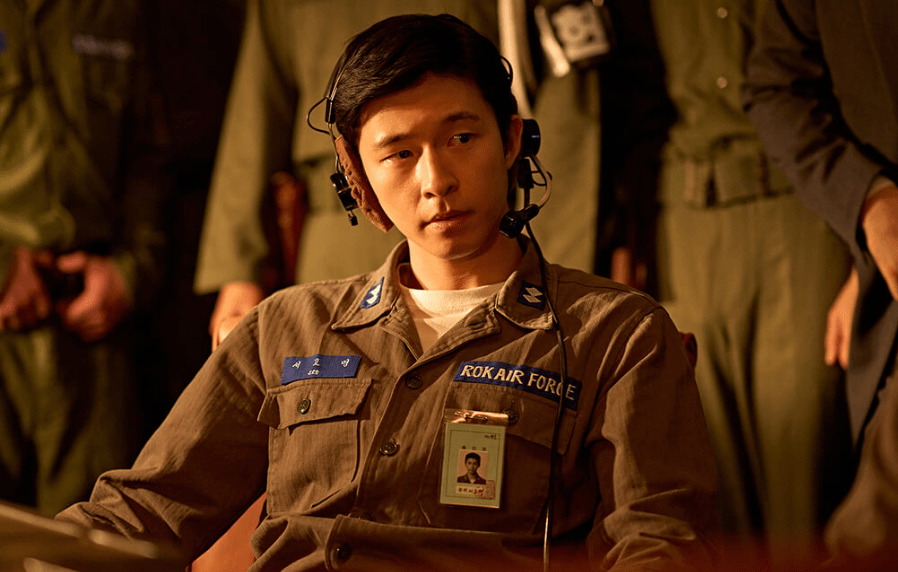
     The style is fresh and vibrant, Sung-hyun has a great eye for dynamic shots and scene transitions. Though, I feel like the film also is a bit overproduced. The dynamic shots would have had more of an effect if they were used a bit more sparingly because they aren’t as impactful as they should have been given their technical skill. Also, having a bit of a “quieter” styles would help to foreground the incredible acting and script work. 

     Overall, this is a fun movie despite its slightly unjustified runtime. I hope Netflix does give this film a theatrical release, both in South Korea and globally, because it should be seen on the big screen (and I don’t think a lot of people will finish the film if they have the option to turn it off). I’m looking forward to see what the actors do in the future. I also anticipate new films from Sung-hyun as I think that once he starts working with his editor and hones his style, he will be a tour-de-force in the comedy/action genre.

    Scoring Card:

    Formal Technique: 7.5/10
    Story: 6/10
    Dialogue: 10/10
    Performances: 9.5/10
    Overall: 7/10
  • 8/10
    What an incredibly beautiful movie. 

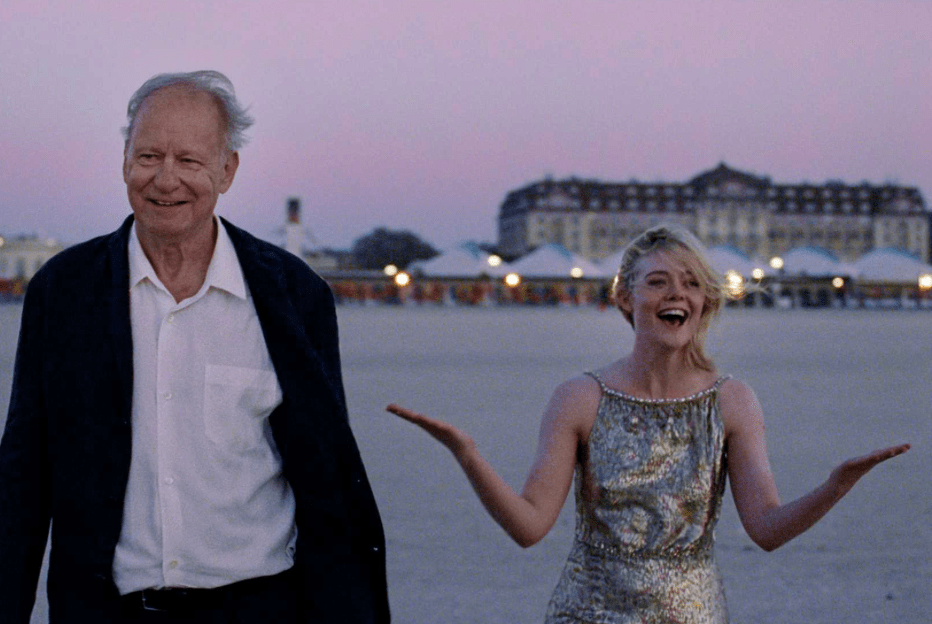
    Throughout the film, Trier manages to find a near perfect balance between shots that center the space and shots that center the characters. The space, in particular the family house, is foregrounded in a way which doesn’t sacrifice the emotional expressions of the characters. 

    While this film has some incredibly witty lines, I found it was best in the more silent moments. This is an incredibly physical and visual film, with the actors and camera working together to communicate so much by saying very little. As someone who normally finds long and silent sequences a bit tedious, I think this film does an incredible job of balancing these long, silent, moments with some that are a bit more chaotic and confrontational. The film is at its best during these intimate emotional pauses, as the outstanding performance from the cast communicates raw primal emotions that I think can strike a chord with most viewers.

     I also think this film does a good job of introducing a pretty obvious metaphor of generational trauma via the family home and using it sparingly enough throughout the film that it’s not as heavy handed or obnoxious as a metaphor of this kind could be. 

     This film certainly doesn’t reinvent the wheel when it comes to its plot; absent father, dead mother, tortured yet talented artists, the impact of trauma across generations, but I don’t think it’s incredibly detrimental to the overall viewing experience. The film’s best commentary, and the one that seemed to resonate most with the audience, was the clever jabs against some of the new streaming/social-media elements of the film industry. 

     This is an incredible film if you enjoy deep character studies, well-established close ups and visuals, and contemplative intimacy on screen. 

    Scoring Card:

    Formal Technique: 10/10
    Story: 6/10
    Dialogue: 8/10
    Performances: 9/10
    Overall: 8/10